
How to Choose a San Antonio Kindergarten: Structured vs Play-Based
The real question behind "structured or play-based" is not which approach is better. It is which one matches how your five-year-old actually learns. A child who settles into routine and likes knowing what comes next thrives in a different room than a child who learns by touching, building, and moving. San Antonio has strong options on both ends of that spectrum and plenty in the middle, so the work is matching the room to the kid in front of you.
Kindergarten is also the year that sets the tone. It is where your child forms their first real opinion about whether school is a place they want to be. That is worth choosing carefully, and it is worth choosing honestly, because every model asks the child to give something up in exchange for what it gives.
Start With the Basics: What These Two Words Actually Mean
A structured kindergarten is teacher-led. The day runs on a schedule, instruction happens in whole groups, and academic skills are taught in a set sequence: phonics, handwriting, number sense, all in a planned order. The classical model used at schools like Great Hearts is the clearest local example of this end of the spectrum. Children learn together, follow the teacher's lead, and build habits of attention early.
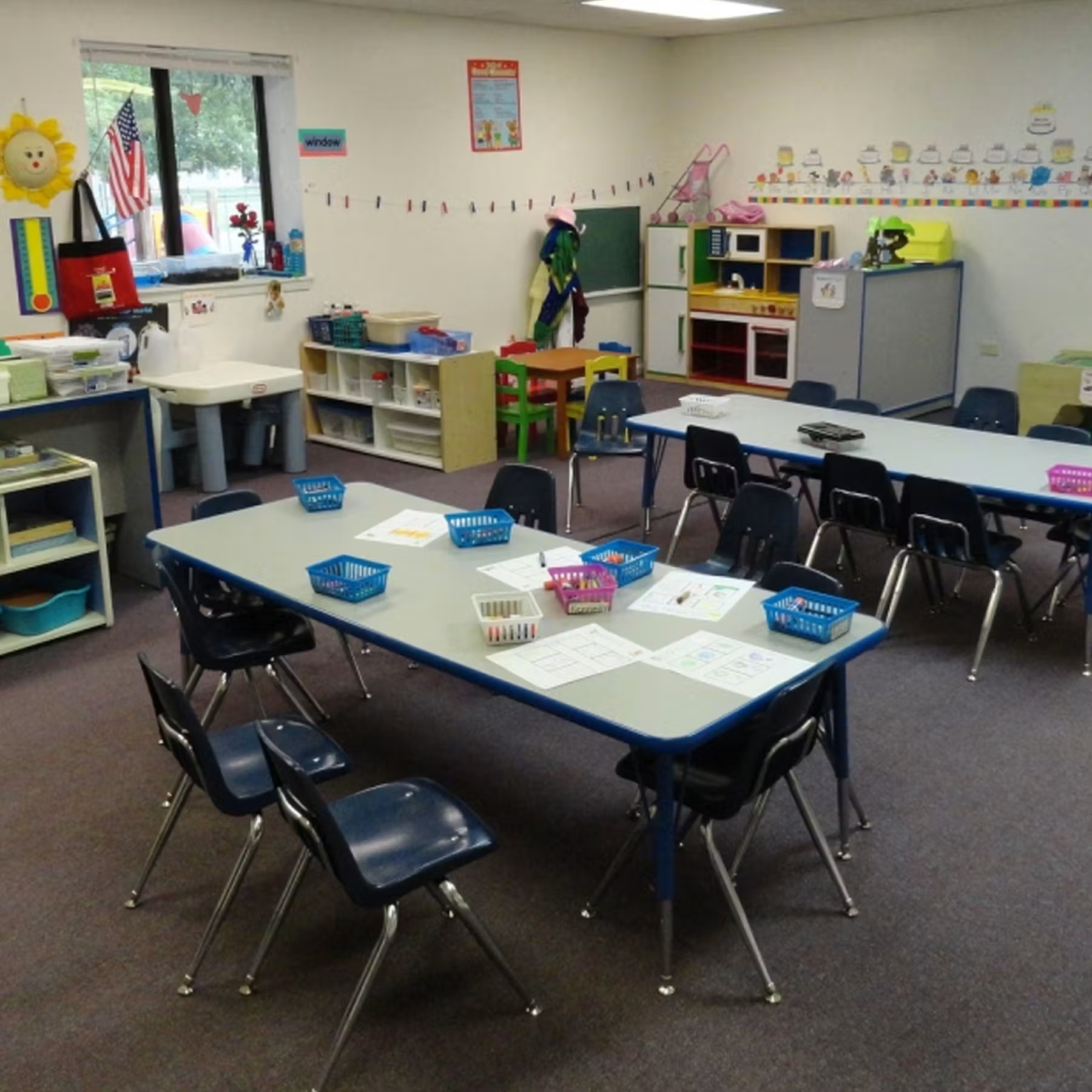
A play-based kindergarten is child-led. Children move between learning centers, choose much of what they work on, and absorb academics through hands-on materials and exploration rather than worksheets. Montessori is the most common local version, though play-based also covers Reggio-inspired and developmental programs. The teacher sets up a rich environment, then guides children through it instead of directing every minute.
Where the Line Actually Blurs
Here is the part most articles skip. Very few real kindergartens sit at the far edge of either definition. Montessori, for example, is often called play-based, but it is closer to structured freedom: children choose their work, yet the materials are precise and the sequence is deliberate. It is not open, unstructured play. Many neighborhood public kindergartens in San Antonio blend both, running whole-group reading in the morning and center-based choice time in the afternoon.
So treat "structured" and "play-based" as directions on a map, not two separate countries. Your child does not need the purest version of either. They need a room that leans the right way for their temperament.
The San Antonio Age Rules You Need First
Before you compare philosophies, confirm your child is eligible. In Texas, a child must turn five on or before September 1 to start kindergarten that year. A child who turns five on September 2 waits a full year. That single date decides whether your child is the youngest or the oldest in the cohort.
Two things surprise San Antonio parents. First, kindergarten is not mandatory in Texas, though nearly every family sends their child and most kindergartens assume it as the starting line for first grade. Second, Texas has no transitional kindergarten, the "young fives" year some states offer. If your child misses the September 1 cutoff, the public pathway is another year of pre-K, not a bridge grade.
For summer birthdays, this is where the structured-versus-play-based question gets personal. A young five who is still growing into sitting-and-listening stamina may do better with a play-based room that lets them move, or with an extra year before a demanding structured program. Neither choice is a failure. It is a fit decision, and you are the person best placed to make it.
What a Structured Kindergarten Day Feels Like
Picture a predictable rhythm. Morning meeting, then whole-group phonics, then handwriting, then a math routine, with clear transitions the children learn to expect. The teacher leads, the class follows, and academic expectations are visible from day one. Character and habits get named directly: how to sit, how to listen, how to treat a classmate.
This fits children who feel calmer when they know what is coming, who like clear rules, and who take pride in mastering a skill. Parents who want to see concrete academic progress early tend to feel at home here, because the evidence is right there in the folder each week.
What it is not: it is not a room with a lot of open exploration, and it can feel demanding for a child who needs frequent movement or who is not yet ready to hold still for whole-group time. A wiggly, highly independent five-year-old can read structure as pressure. That is the trade-off you are weighing, and it is a real one.
If a rigorous, teacher-led approach appeals to you, it helps to understand the classical philosophy behind it, which our guide on STEM versus classical education in San Antonio breaks down alongside the other structured option many local families consider.
Structured Kindergartens Worth Touring in San Antonio
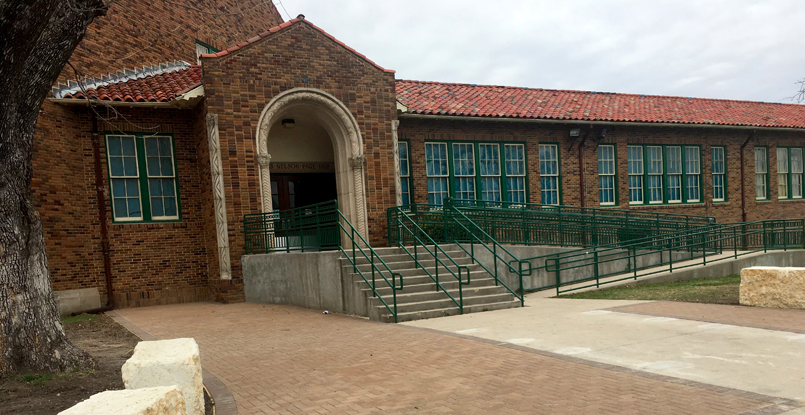
- Grades: Pre-K 3, Pre-K 4, Kindergarten, 1st grade, 2nd grade, 3rd grade, 4th grade, 5th grade
- Location: San Antonio, TX
- Tuition: $0

- Grades: Pre-K 3, Pre-K 4, Kindergarten, 1st grade, 2nd grade
- Location: San Antonio, TX
- Tuition: $0

- Grades: Pre-K 3, Pre-K 4, Kindergarten, 1st grade, 2nd grade, 3rd grade, 4th grade, 5th grade, 6th grade, 7th grade, 8th grade
- Location: San Antonio, TX
- Tuition: $0

- Grades: Pre-K 3, Pre-K 4, Kindergarten, 1st grade, 2nd grade, 3rd grade, 4th grade, 5th grade
- Location: San Antonio, TX
- Tuition: $0
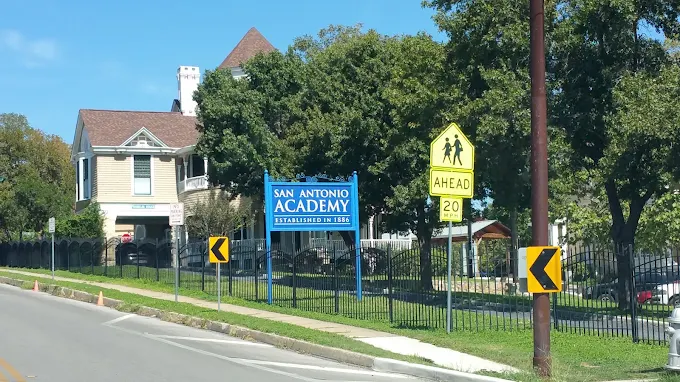
- Grades: Pre-K 3, Pre-K 4, Kindergarten, 1st grade, 2nd grade, 3rd grade, 4th grade, 5th grade, 6th grade, 7th grade, 8th grade
- Location: TX
- Tuition: $29,000
What a Play-Based Kindergarten Day Feels Like
Now picture a room built around choice. Learning stations line the walls, children pick where to start, and the materials do a lot of the teaching. In a Montessori classroom, a child might work with number rods, then move to a practical-life task, then read with a teacher, all within a longer uninterrupted work block. Mixed-age grouping is common, so five-year-olds learn beside older children and often teach the younger ones.
This fits curious, self-directed children, kids who ask endless questions, and children who focus best when they have some say in what they do. Social and emotional growth gets as much attention as letters and numbers, which matters more at five than many parents expect.
What it is not: it is not a room full of worksheets and whole-group drill, and a parent who wants to see a stack of graded papers each week may feel uneasy at first. There is also the transition question. A child who spends kindergarten in a child-led room may need support adjusting to a more structured first grade later, especially if they move into a traditional public or classical school. Ask each program how it prepares children for that next step, because good ones plan for it.
Play-Based and Montessori Kindergartens in San Antonio

- Grades: Infant, Toddler, Pre-K 3, Pre-K 4
- Location: TX
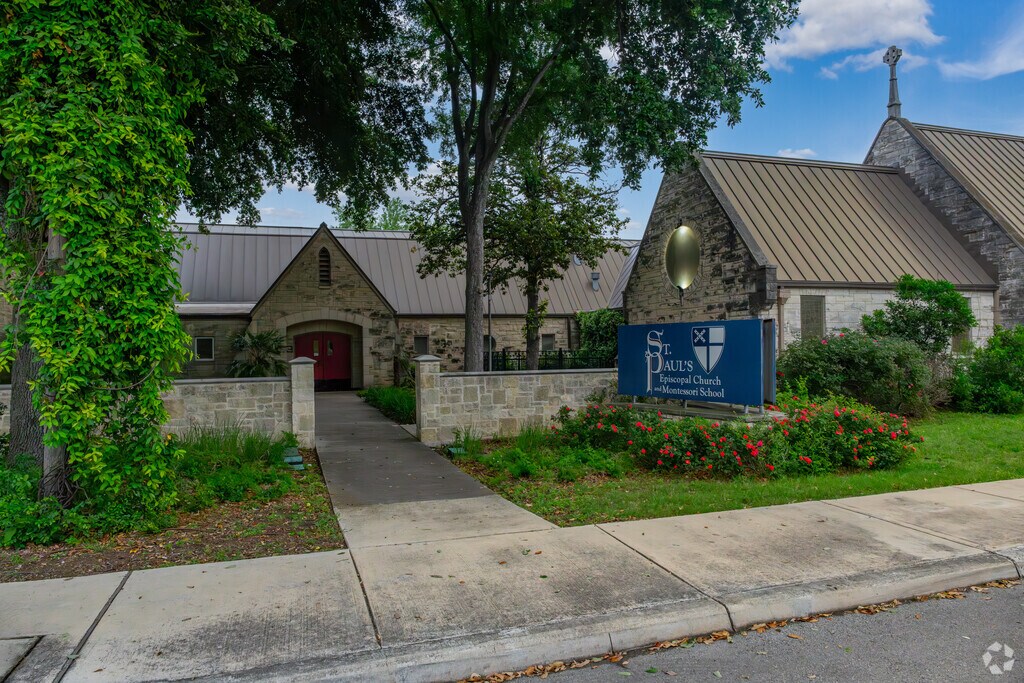
- Grades: Infant, Toddler, Pre-K 3, Pre-K 4, Kindergarten, 1st grade, 2nd grade, 3rd grade, 4th grade, 5th grade, 6th grade
- Location: TX
- Tuition: $12,000
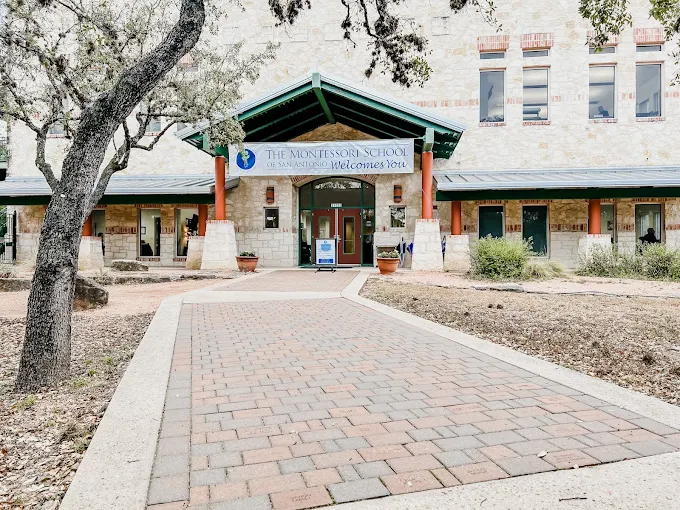
- Grades: Pre-K 3, Pre-K 4, Kindergarten, 1st grade, 2nd grade, 3rd grade, 4th grade, 5th grade, 6th grade, 7th grade, 8th grade
- Location: San Antonio, TX
- Tuition: $21,674
- Grades: Infant, Toddler, Pre-K 3, Pre-K 4, Kindergarten, 1st grade, 2nd grade, 3rd grade, 4th grade, 5th grade, 6th grade, 7th grade, 8th grade
- Location: TX
- Tuition: $50
How to Tell Which One Fits Your Child
Spend a week watching your child before you tour a single school. You already have most of the answer at home.
Does your child relax into routine, or chafe against it? Do they focus longest when someone gives them a task, or when they pick their own? How much do they need to move? How do they handle transitions, being told a fun thing is over and a new thing is starting? A child who melts down at transitions may struggle in a tightly scheduled structured day, or may need exactly that predictability to feel safe. You know which.
Also be honest about yourself. Some parents feel anxious without visible academic proof and will second-guess a play-based choice all year. Some parents want their child to have room to explore and will feel boxed in by a rigid schedule. Your comfort matters, because you are the one reinforcing the school's approach at home for the next nine months.
Match the Model to the Child, Not the Trend
Classical education is having a moment in San Antonio, and Montessori has a devoted following. Both reputations are earned. Neither tells you what your specific five-year-old needs. Resist choosing the model your friends chose or the one with the longest waitlist. The best kindergarten is the one your child walks into willingly on a Tuesday in February.
See how San Antonio kindergartens compare side by side
Filter by approach and neighborhood, then save the programs that fit your child's temperament.
Explore kindergartens near youWhat to Look For on a Kindergarten Tour
A brochure will not tell you how a room feels. A tour will, if you watch the right things.
Watch the children, not the walls. Are they engaged and settled, or restless and waiting? Ask directly how the school teaches reading, because that is where structured and play-based programs differ most concretely. Ask what happens when a child is ahead of the group, and what happens when a child is behind, since the honest answer reveals how flexible the room really is.
Ask about movement and recess, class size, and how teachers handle behavior and big feelings, which is half of what kindergarten is about. If it is a play-based program, ask how they build the stamina and structure children will need in later grades. If it is a structured program, ask how they keep a five-year-old's day joyful and not just rigorous.
Our list of questions to ask on a school tour is a useful thing to bring on your phone so you are not relying on memory while a friendly admissions person walks you around.
Public, Charter, or Private: The Approach Shows Up in Each
Structured and play-based are not tied to one type of school. You will find both across San Antonio.
Neighborhood public kindergartens in districts like NEISD, NISD, and SAISD often blend approaches, with whole-group academics and center-based choice time in the same day. Public charter networks include some of the most clearly structured options in the city, with Great Hearts anchoring the classical, teacher-led end. On the private side, Montessori and other play-based programs are well represented, from the Medical Center area to Stone Oak to Uptown Central.
Because the approach cuts across all three types, it helps to sort by philosophy and neighborhood together rather than by school type alone. Our San Antonio school choice guide maps out how public, charter, and private options fit together across the city.
Start by Watching Your Child This Week
Do two things in the next few days while it is fresh.
First, spend a week quietly noticing how your child learns and moves at home, then write down whether they lean toward routine or autonomy. That one note will steer every tour you take.
Second, use School Path to filter San Antonio kindergartens by approach and neighborhood, save the three that fit your child's temperament, and book a tour before the popular programs fill their kindergarten seats. Seeing two or three rooms in person, structured and play-based side by side, will tell you more in an afternoon than weeks of reading ever will.
Book kindergarten tours before the good seats
Filter by area, grade, and approach, then save and connect with schools in one place.
Compare kindergartensFrequently Asked Questions
What is the kindergarten age cutoff in San Antonio?
In Texas, a child must turn five on or before September 1 to start kindergarten that school year. A child whose birthday falls after September 1 waits until the following year, which means summer birthdays land among the youngest in the class.
Is kindergarten required in Texas?
No. Kindergarten is not mandatory in Texas. Most families send their child anyway, and nearly every first grade assumes kindergarten as the starting point, so skipping it is uncommon and worth discussing with the schools you are considering first.
Is play-based kindergarten less academic than structured?
Not necessarily. A strong play-based room still teaches reading, writing, and math, just through hands-on materials and guided choice rather than whole-group drill. The difference is how the learning looks, not whether it happens. Ask each program how it measures progress.
Will a play-based kindergarten make first grade harder?
It can be an adjustment if your child moves from a child-led room into a traditional or classical first grade. That does not make it the wrong choice. Ask each play-based program how it builds the routines, stamina, and independence children need for the next grade.
My child has a summer birthday. Should we wait a year?
There is no universal answer, and it is a fit decision rather than a readiness verdict. Watch how your child handles focus, transitions, and a full day of activity. A younger five who still needs to move constantly may do better with an extra year, or with a play-based room that allows movement.
How do I know if a kindergarten is a good fit on a tour?
Watch the children rather than the decorations. Ask how reading is taught, what happens when a child is ahead or behind, and how teachers handle big feelings. A settled, engaged room and clear answers to those questions tell you more than any ranking.